
Key Takeaways
- Preventive maintenance—such as HVAC servicing, roof inspections, and water leak checks—saves money and protects property value.
- Reviewing rent, lease agreements, and insurance annually ensures compliance, maximizes income, and safeguards investments.
- Partnering with a property management company helps landlords stay on top of critical yearly tasks and maintain tenant satisfaction.
Experienced property investors often say that the easiest part of owning a rental property is buying it. This is very true because, as hard as the process of finding a viable investment property and qualifying for the mortgage is, it is not the most difficult part of being a successful property investor.
The work really begins after you have purchased the property. What does that work entail?
Several factors must come together to make an investment property consistently profitable. Three of the most important ones are marketing, good tenant relationships, and up-to-date maintenance. Each of these three categories also contains smaller tasks that every landlord must become intimately familiar with.
Today, Specialized Property Management will walk you through a few things you should be doing in your rental property every year that you may have overlooked.
Yearly Maintenance Tasks
You should have a preventive maintenance plan for your rental. It is not smart to wait until something breaks, routine maintenance of the property will save you money. Examples of key preventive maintenance tasks include:
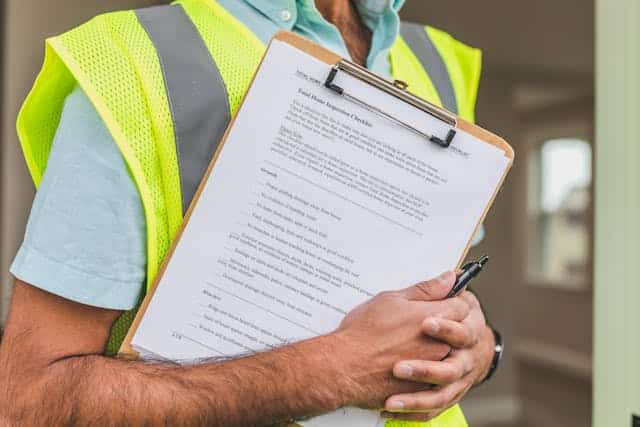
Conduct Yearly Inspections
This is not a superficial inspection of the property, but an in-depth assessment of the function and condition of vital systems and structures by a qualified professional. Even if you have to hire one specialist for each of the different systems in the building, it is worth it.
Service HVAC Systems
HVAC systems must be efficient to provide adequate heating and cooling in winter and summer. Dust, pollen, and a host of other things can interfere with the performance of your HVAC system, not just making the lives of tenants hard, but also increasing your energy bills.
Water Heater Flush
Water heater problems in a rental property can make the building unlivable. Apart from the risk of losing your rental income, tenants may withhold their rent, or you may end up facing legal troubles. These issues also increase the potential for water damage in your property.
Roof and Siding Checks
Checking the roofing and siding is as much a maintenance task as it is a marketing strategy. These features of the building are among the most visible, so they play a major role in the curb appeal of your rental property. Make sure your roof and siding are in top condition.
Appliance Tune-Ups
Appliance tune-ups help to prevent costly breakdowns, while improving the efficiency of appliances and drastically reducing their energy uptake. Tuning appliances involves a list of small but vital tasks. It is best to let a professional handle the job.
Check for Water Leaks
Water leaks in your building don’t always happen visibly. Even “harmless” leaks like a dripping faucet or running toilet can exact a heavy toll on your finances by jacking up the monthly utility bills. Prevent losses by finding leaks on time and fixing them.
Clear Gutters and Downspouts
Gutters and downspouts are key features of the property’s drainage system. In addition to diverting water into the roof or walls, a damaged or clogged gutter system can cause basement flooding. Keeping these systems in good condition is good for your tenants and finances.
Test Safety Features
Disasters like house fires and carbon monoxide poisoning don’t announce themselves. By checking to make sure smoke/carbon monoxide detectors and fire extinguishers are working, you can ensure your rental meets safety standards, protecting your property and tenants’ lives.
Change Furnace Filters
Furnace filters are one of those things that don’t cost a lot to change, but can cost you a lot of money if they are not changed regularly. Unless it is part of the lease agreement, you don’t want to leave this important task to a tenant. Old fire filters can cause fires in your building.
Financial & Legal Tasks
Protecting your investment also includes legal compliance and financial organization. Here are some things to keep in mind:
Review the Rent
Make sure you are not charging a lower rent than the going rate for units like yours. Before increasing rent, check the rental policy in your area’s fair housing law. Keeping the rent slightly lower than the market rate can make your rental more attractive.
Reassess Your Property Insurance
Your current insurance policy may have had the best rate when you signed up, but that may no longer be true today. Insurance companies are notorious for slowly increasing their rates. If there are cheaper options, they typically won’t inform you.

Review and Renew Leases
Federal, state, and local government laws are always changing. Ensure that your lease agreement complies with these changes. To improve operations and boost income, update the fees and rules in your current lease agreement. Remind tenants of the expiration of their lease 90 days before it terminates and include the terms for a renewed lease.
Bottom Line
These are just a few of the critical small steps that help to create a rental property that is profitable in the long term. For investors who are long-distance landlords or who own a lot of rental properties, some of these steps may prove somewhat challenging.
Working with a local property management company can ensure that these crucial tasks are not left undone in their rental property every year. Contact Specialized Property Management today for more information.