
Water damage is one of the most common and costly issues landlords face when managing rental properties. Whether it’s a leaky roof, clogged gutters, or poor drainage, water damage can cause extensive harm to the structure of your building, the interior, and even the belongings of your tenants.
The longer it goes unnoticed or untreated, the more difficult and expensive it becomes to repair. Not only can it result in costly repairs, but it may also damage your reputation as a landlord and lead to tenant dissatisfaction.
Preventing water damage is essential to maintaining a property’s value and ensuring your tenants’ safe, comfortable living environment. Regular maintenance and proactive inspections are key in identifying and fixing potential issues before they escalate.
Below, we’ll discuss some practical steps you can take to minimize the risk of water damage and protect your investment. This guide is brought to you by Specialized Property Management Oklahoma City, a property management company dedicated to helping landlords maintain their properties efficiently and cost-effectively.
Understanding the Potential Sources of Water Damage
Water damage is a common yet costly problem for landlords, often caused by roof leaks, clogged gutters, poor drainage, and other overlooked maintenance issues. Left untreated, it can weaken the building’s structure, damage interiors, and lead to tenant dissatisfaction. Addressing these risks early can save time, money, and stress.
Roof Leaks
The roof is highly susceptible to water damage. Over time, shingles or tiles may crack, loosen, or wear out, allowing rainwater to seep in. This can damage ceilings, walls, and insulation, resulting in expensive repairs.
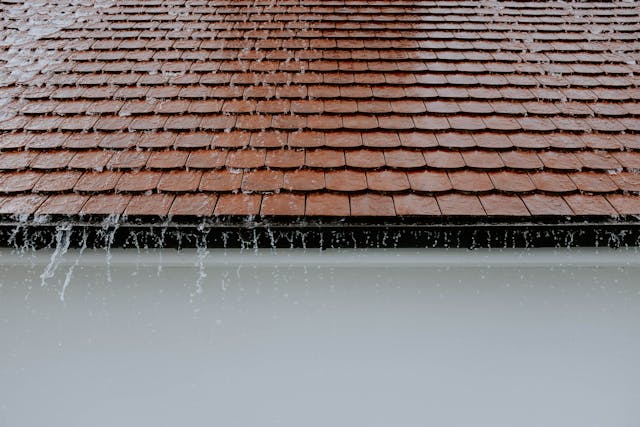
Schedule regular inspections to spot and address leaks early.
Clogged or Damaged Gutters
Gutters redirect rainwater away from the roof and foundation. When blocked by leaves, debris, or twigs, water can overflow and collect around the building’s exterior. This may lead to foundation issues and basement flooding. Clean gutters twice a year to maintain their effectiveness.
Poorly Functioning Downspouts
Downspouts carry water from gutters to the ground, away from the building’s foundation. If blocked, damaged, or improperly positioned, they can cause water to pool near the foundation. Ensure downspouts are clear and direct water at least three feet away from the property.
Outside Drainage Problems
Poor grading or blocked drains can cause water to flow toward the building instead of away from it. This increases the risk of basement flooding, foundation damage, and mold growth.
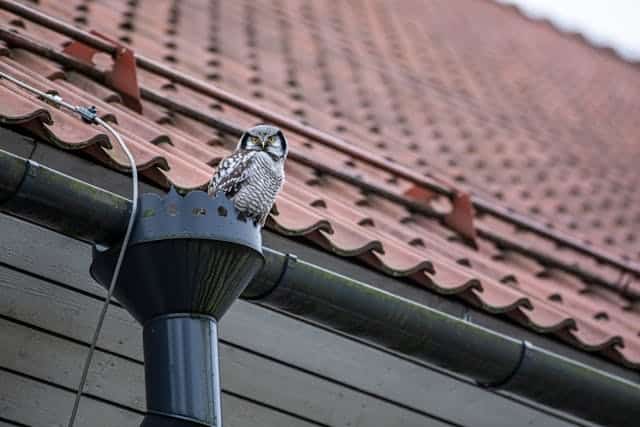
Ensure proper ground slope and maintain exterior drains to keep water moving safely away from the property.
Window Leaks
Poorly sealed windows are a common entry point for water, especially during storms. Over time, seals degrade, and gaps form, allowing water inside. Regularly inspect and replace worn-out weatherstripping to prevent leaks.
Cracks in Walls and Foundation
Even small cracks in walls or the foundation can allow water to seep into the structure. Left unchecked, this can cause significant damage, including mold growth and structural weakening. Repair any visible cracks promptly to prevent further issues.
Flooding Near Perimeter Walls and Drains
Water pooling around the property’s perimeter can infiltrate walls and foundations. Monitor these areas, especially after heavy rain, and take steps to improve drainage if needed.
Blocked Floor Drains
Floor drains in basements, laundry rooms, or other areas are essential for removing standing water. Over time, they can clog with dirt, hair, or debris, preventing proper drainage. Keep floor drains clear to avoid water buildup.
Improper Disposal of Cooking Oils and Fats
Cooking oils, fats, and grease poured down drains can clog pipes, causing backups and flooding. Educate tenants on proper disposal methods, such as using grease containers, to prevent plumbing issues.
Water Damage Prevention Tips for Landlords
Taking proactive steps to prevent water damage protects your property and ensures a comfortable environment for tenants. Follow these tips to minimize risks and maintain the value of your rental investment:
Schedule Regular Roof Inspections
Hire a professional to inspect the roof at least once a year. Look for damaged or missing shingles, cracks, and other signs of wear. Early detection and repair of roof issues will prevent costly water damage.
Clean Gutters Twice a Year
Remove leaves, twigs, and debris from gutters at least twice annually, especially in the fall. Check that gutters are securely attached and free of cracks or leaks.
Maintain Downspouts
Ensure downspouts are free of obstructions and direct water at least three feet away from the building’s foundation. Use extensions or splash blocks if needed.
Improve Yard Grading and Exterior Drainage
Grade the property’s landscaping to slope away from the foundation. This upgrade helps prevent water from pooling near walls and reduces the risk of flooding. Inspect outside drains to ensure they are clear and functioning properly.
Seal Windows and Doors
Inspect windows and doors for damaged seals or weatherstripping. Replace worn materials to prevent leaks during rainstorms.
Repair Cracks in Walls and Foundation
Regularly check for cracks in the interior and exterior walls, as well as the foundation. Promptly repair any cracks to prevent water infiltration and structural damage.
Monitor for Perimeter Flooding
After heavy rains, check the areas around perimeter walls, drains, and the foundation for pooling water.
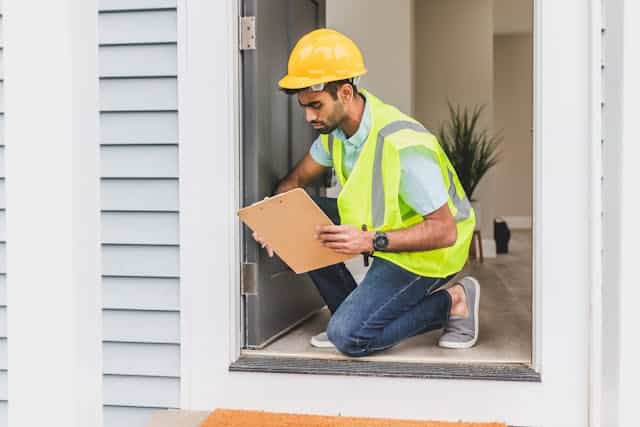
Address any drainage issues immediately to prevent long-term damage.
Keep Floor Drains Clear
Inspect and clean floor drains regularly to ensure they remain clear of debris. Encourage tenants to report slow drainage or blockages promptly.
Educate Tenants on Proper Grease Disposal
Provide tenants with clear instructions for disposing of cooking oils and fats. Consider offering grease disposal containers to encourage proper habits and reduce the risk of plumbing issues.
Final Thoughts
Preventing water damage in your rental property requires regular maintenance, proactive inspections, and tenant education. By addressing potential issues early—such as roof leaks, clogged gutters, poor drainage, and window seals—you can protect your investment, avoid costly repairs, and keep tenants satisfied.
Specialized Property Management Oklahoma City offers comprehensive property management services for DIY landlords in the Oklahoma City area, including maintenance coordination, inspections, and tenant support. Contact us today to learn how we can help protect your property and ensure its long-term success.