
Key Takeaways
- Safety is a Legal and Ethical Obligation: Landlords must comply with federal, state, and local housing codes that ensure structural integrity, fire safety, and habitability.
- Regular Inspections Prevent Bigger Issues: Conducting routine checks on electrical, plumbing, HVAC, and structural components helps catch small problems before they become costly hazards.
- Tenant Communication and Documentation Are Key: Educating tenants on safety procedures and maintaining thorough records of inspections, repairs, and certifications protects landlords from liability and enhances long-term property value.
As a landlord, maintaining a safe rental home goes beyond simply meeting legal obligations, it’s a pledge to protect your tenants and preserve the value of your investment. A secure property not only boosts tenant satisfaction but also reduces potential liabilities and ensures compliance with housing regulations.
So how can you be confident that your property measures up to safety standards?
This guide from Specialized Property Management Oklahoma City covers the key safety areas landlords should focus on, how to evaluate your property’s condition, and the proactive steps you can take to avoid costly oversights.
1. Know Your Legal Responsibilities
Your first step should be understanding the relevant housing codes where your rental is located. These laws define minimum requirements for everything from structural integrity to ventilation and sanitation.
- Federal Laws: Generally cover fair housing practices and lead paint disclosures.
- State and Local Regulations: These vary widely and cover things like fire safety, plumbing, and electrical standards.
In Oklahoma City, landlords must comply with both state and local regulations covering fire safety, plumbing, and electrical systems. At the state level, the Oklahoma Uniform Building Code Commission enforces standards based on national codes.
Locally, Oklahoma City requires permits and inspections for most property work and final safety inspections are mandatory before occupancy to ensure compliance with all building and fire safety standards.
Ignoring your local codes can result in penalties, lawsuits, or even having your property condemned.

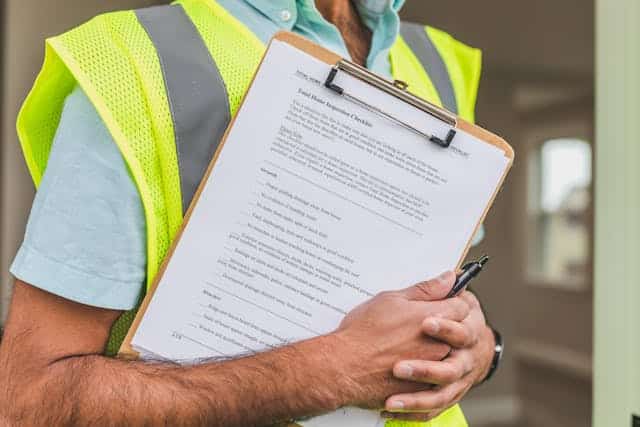
2. Conduct Routine Safety Checks
Staying ahead of issues starts with regular, thorough inspections of key areas:
- Electrical: Inspect for outdated wiring, overloaded circuits, and damaged panels.
- Plumbing: Identify leaks, poor water pressure, or mold-prone areas.
- HVAC Systems: Ensure heating and cooling systems operate efficiently and filters are replaced routinely.
- Structural Elements: Examine balconies, stairs, floors, and ceilings for signs of wear or structural weakness.
Even seemingly minor defects can quickly snowball into hazardous and expensive repairs.
3. Ensure Fire Safety Compliance
Detectors and Alarms
Smoke and carbon monoxide detectors are required by law but they’re only effective if properly installed and maintained.
- Place smoke detectors in every bedroom and common hallway.
- Install carbon monoxide detectors near sleeping areas, especially in units with gas appliances.
Fire Extinguishers and Exit Plans
- Equip kitchens and utility areas with fire extinguishers.
- Make sure each bedroom has at least one window that can serve as an emergency exit.
- Teach tenants how to evacuate in an emergency.
Outdoor Safety
Keep exterior walkways, stairs, and entrances clear and well-lit to prevent accidents and facilitate safe exits during emergencies.
4. Address Health and Environmental Hazards
Moisture and Infestations
Unchecked dampness can lead to mold, and pest infestations pose both health risks and code violations.
- Use dehumidifiers or ventilation systems in bathrooms and basements.
- Schedule pest inspections regularly, even if there are no visible signs.
Lead Paint and Asbestos
Properties built before 1978 must comply with federal lead disclosure rules. Similarly, asbestos in older buildings must be professionally assessed and addressed if disturbed.
5. Secure the Property and Respect Accessibility
Locks and Entryways
Tenant safety begins with secure entry points:
- Install sturdy deadbolts on all main doors.
- Ensure windows lock securely but can be easily opened in emergencies.
Lighting and Surveillance
- Use motion-activated lighting around driveways and entrances.
- Optional: Install security cameras or provide smart locks for added convenience and peace of mind.
Accessibility Upgrades
If you rent to seniors or individuals with mobility challenges, adding features like grab bars or ramps may be required, or simply a smart investment.
6. Educate Tenants and Share Safety Information
Make it easy for tenants to reach help:
- Post contact numbers for emergency services and property maintenance.
- Include safety guidelines in the welcome packet, such as how to use appliances safely and what to do during power outages or gas leaks
When tenants feel informed, they’re more likely to report problems early, before they escalate.
7. Maintain Proper Records and Certifications
Documentation
Good record-keeping isn’t just smart, it protects you in the event of disputes or audits.
- Keep logs of inspections, maintenance, repairs, and tenant complaints.
- Store digital copies of all relevant permits and compliance documents.
Required Certifications
Some municipalities mandate annual rental safety inspections or certifications. Skipping them can lead to fines or suspension of your rental license.

Why Safety Standards Matter
Ensuring your property meets safety standards isn’t just about ticking off legal boxes. It’s about building trust, protecting your business, and providing homes where people feel safe.
- Legal Compliance: Avoid penalties and lawsuits from overlooked safety issues.
- Tenant Retention: Tenants are more likely to renew when they feel protected and heard.
- Property Value: Well-maintained properties are easier to insure, appraise, and sell.
- Ethical Ownership: Providing safe housing is simply the right thing to do.
Bottom line
Safety in rental properties isn’t a one-time checklist, it’s a continual responsibility. By staying proactive, scheduling regular inspections, and communicating clearly with your tenants, you protect your investment while creating a better living experience.
Taking safety seriously not only minimizes your risks, it maximizes your returns.
Need help staying on top of inspections and compliance? Contact Specialized Property Management Oklahoma City to ensure nothing slips through the cracks.