
Selling a house can be a challenging and frustrating experience, especially if it remains on the market longer than expected.
If you’ve done everything right and still haven’t found a buyer, you might be wondering what your next step should be.
Instead of lowering your price or taking your home off the market, consider turning it into a rental property. This option allows you to generate income while waiting for a better selling opportunity.
Renting your house can be an excellent alternative in a slow housing market and might even provide long-term financial benefits.
Specialized PM Oklahoma City is here to help you navigate the world of rental property management.
Understanding Why Your House Won’t Sell
Before making any decisions, take a step back and analyze why your home isn’t selling. The real estate market can be unpredictable, and several factors might be influencing the lack of buyer interest:
1. Market Conditions: A saturated market will make it harder to sell at your desired price.
2. Pricing Issues: If your home is priced even a little higher than similar properties in your area, potential buyers may pass it over.
3. Property Condition: Outdated interiors, necessary repairs, or poor curb appeal can turn off buyers.
4. Marketing Strategies: If your listing photos aren’t high-quality or your real estate agent isn’t utilizing all available marketing channels, you might not be reaching the right audience.
If you’ve addressed these issues but your house still won’t sell, renting it out may be the best solution.
The Advantages of Renting Out Your House
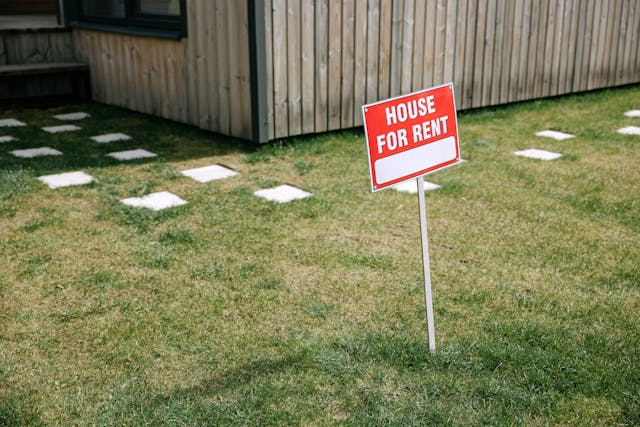
Renting your home instead of selling it can provide several financial and strategic benefits. Some of the key advantages include:
1. Steady Income Stream: Instead of waiting months for a buyer, renting your property allows you to earn consistent rental income.
2. Opportunity for Property Appreciation: If the current market conditions aren’t favorable for selling, holding onto your property as a rental can give you time to wait for the market to improve and for your home to potentially appreciate in value.
3. Tax Benefits: You may be able to deduct expenses such as mortgage interest, property management fees, repairs, and depreciation, reducing your overall tax burden.
4. Flexibility to Sell Later: You can continue monitoring the housing market and list your property for sale when conditions are more favorable.
Steps to Successfully Renting Out Your Home
If you’ve decided to rent your house instead of selling, here are the key steps to ensure a smooth transition:
1. Determine a Competitive Rental Price: Research rental rates in your area to set a price that attracts tenants while covering your expenses.
2. Prepare Your Home for Renters: Make necessary repairs, apply fresh paint, and deep-clean the property to attract tenants.
3. Screen Potential Tenants: Conduct background and credit checks on potential tenants, verify employment and income, and check references from previous landlords.

4. Understand Landlord Responsibilities: Before renting your house, familiarize yourself with local landlord-tenant laws regarding security deposits, lease agreements, maintenance obligations, and eviction procedures.
5. Draft a Solid Lease Agreement: Ensure your lease agreement includes clear terms on rent amount, due dates, security deposits, maintenance responsibilities, and lease duration to protect both you and the tenant
Working with a Professional Property Management Company
Managing a rental property requires time, effort, and legal knowledge. If you don’t have the experience or availability to handle tenant issues, rent collection, and property maintenance, hiring a professional property management company is a smart choice.
1. Hassle-Free Tenant Management: A property management company handles tenant screening, lease agreements, and communication, reducing the risk of missed rent payments or damaged property.
2. Efficient Rent Collection and Financial Management: Property managers have systems in place to collect rent and enforce late fees when necessary, maintaining consistent cash flow.
3. Property Maintenance and Repairs: A management company coordinates maintenance and ensures quick responses to tenant repair requests prevents small issues from turning into costly repairs.
4. Compliance with Laws and Regulations: A property manager ensures that your lease agreements, security deposit handling, and eviction procedures comply with local and federal housing laws.
5. Better Market Positioning: Property managers understand market trends and know how to market your rental effectively, ensuring a high occupancy rate and reducing vacancies.
When Is It Right to Sell Instead of Renting?
While renting out your house is a great option, it may not be the best choice for everyone. Consider selling instead if:
1. You need immediate access to the home’s equity for another investment.
2. You don’t want to deal with the responsibilities of being a landlord.
3. The rental income won’t cover your mortgage and expenses, making it financially unfeasible.

If you’re unsure whether renting or selling is the best move, consult a real estate professional to evaluate your specific situation.
Bottom Line
If your house isn’t selling, don’t panic. Instead of accepting a lower price or keeping your property vacant, consider turning it into a rental.
Renting provides financial stability, allows for property appreciation, and offers tax advantages.
To ensure a smooth rental experience, prepare your home, screen tenants carefully, and consider hiring a professional property management company to handle the day-to-day responsibilities.
With the right approach, renting out your house can be a profitable and stress-free alternative to selling, allowing you to maximize your investment while keeping your options open for the future.
If the market eventually turns in your favor, you can sell at a better price while having earned rental income in the meantime.
If you need help managing a rental property in OKC, contact Specialized PM Oklahoma City today!