
Creating a rental agreement is one of the most important steps in managing a rental property. A comprehensive rental agreement not only establishes clear expectations for both landlords and tenants but also provides a legally binding document that can prevent disputes.
Whether you’re a seasoned landlord or renting out property for the first time, here’s a detailed guide on the key elements to include in a lease agreement to protect yourself and your investment.
Key Elements to Include in a Rental Agreement
1. Tenants Information
Ensure every adult occupying the property is listed and signs the rental agreement. This step establishes joint accountability, meaning each tenant is responsible for rent payments and compliance with property rules. Listing all tenants helps protect landlords by making enforcement of the agreement straightforward if any disputes arise.
2. Property Description
A rental agreement should specify the rental property’s address and home type (e.g., apartment, house, condo). Adding a brief description of the property and any included amenities, like parking spaces, storage units, or access to a shared gym or pool, helps avoid misunderstandings about what’s included in the rental.
3. Lease Term and Renewal Terms
Clearly outline the length of the lease term—whether it’s month-to-month, six months, or a full year. Indicate the start and end dates, and outline the process for renewal or termination.
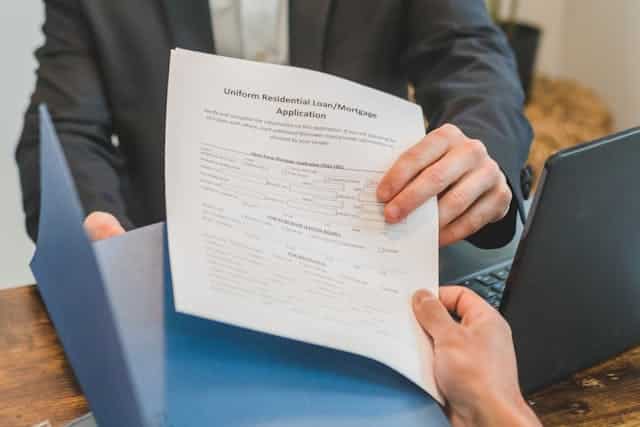
Many landlords find it helpful to include an automatic renewal clause that converts the lease to a month-to-month agreement if neither party cancels at the end of the term. This can give both you and your tenant more flexibility while avoiding vacancy periods.
4. Rent Amount and Payment Terms
Detailing the rent amount, due date, and acceptable payment methods (such as direct deposit, online portal, or check) is essential. Including any late fees, the grace period before late fees apply, and any returned check fees can help ensure timely payments. It’s also wise to clarify where payments should be submitted and whom to contact if there are questions about rent.
5. Security Deposit Terms
State the security deposit amount, its intended purpose, and conditions for its return. Many landlords specify that the security deposit will cover damages beyond normal wear and tear or any unpaid rent.
Also, be sure to comply with your state’s regulations on how to handle security deposits—some require landlords to keep deposits in separate accounts or provide an itemized list of damages within a certain period after a tenant moves out.
6. Occupancy Limitations
The rental agreement should specify who is permitted to occupy the property. Typically, this includes only those listed as tenants and any dependent children. This provision can help prevent tenants from subletting or allowing additional roommates without your permission.
7. Maintenance and Repair Responsibilities
Clarity around maintenance expectations and responsibilities can prevent issues later on. Detail which maintenance tasks the tenant is responsible for (like changing light bulbs or maintaining cleanliness), and specify how they should report larger repairs.

Some landlords also outline which repairs they will handle at no cost to the tenant, like appliance malfunctions or plumbing issues, to avoid any disputes.
8. Policies on Pets, Smoking, and Other Restrictions
To avoid misunderstandings, outline any rules related to pets, smoking, or other restrictions (like loud music or use of common spaces). If you allow pets, specify the types allowed, any pet deposit required, and expectations for pet cleanliness and noise. If smoking is prohibited, make it clear if the restriction applies indoors, outdoors, or in specific areas of the property.
9. Entry to Property
State your right to enter the property for inspections, repairs, or showings. Most states have laws requiring landlords to give advance notice before entering the property (typically 24-48 hours).

Include this notice period in the rental agreement and detail why you may enter the property to ensure that tenants understand and respect these boundaries.
10. Renewal, Termination, and Eviction Terms
Clearly outline the process for renewing, terminating, or ending the lease early. This may include advance notice periods required from both landlord and tenant and acceptable reasons for early termination (such as job relocation or medical reasons). Additionally, outline any fees for early termination and under what circumstances eviction could occur.
11. Legal and Liability Terms
Including a liability clause can help protect you from legal disputes if an accident occurs on the property. This clause should specify that the landlord is not liable for tenant injuries occurring due to the tenant’s own negligence. Additionally, consider requiring tenants to have renter’s insurance, which can cover both their belongings and personal liability.
12. Contact Information and Communication Preferences
Provide clear instructions on how tenants can reach you, whether through email, phone, or a property management portal. Outline preferred communication methods for non-emergency concerns versus emergencies and clarify typical response times.
Benefits of Partnering with a Property Management Company
For landlords, crafting a rental agreement can be complex and time-consuming. Partnering with a professional property management company simplifies the process while ensuring your agreement complies with local laws and includes all necessary details.
Legal Compliance and Expertise
Property management companies stay informed about state and local regulations, ensuring agreements meet all legal requirements. From security deposit laws to entry notification periods, their expertise minimizes legal risks.
Custom-Tailored Agreements
Experienced property managers can customize rental agreements to suit your property and preferences. Whether it’s specific rules about pets, subletting, or maintenance responsibilities, their attention to detail creates comprehensive and effective agreements.
Streamlined Communication
Property managers act as a single point of contact for tenants, handling maintenance requests, rent inquiries, and general communication. This saves time and ensures a professional relationship with tenants.
Conclusion
Creating a comprehensive rental agreement is essential for every landlord to protect their property and their relationship with tenants. Including key elements like occupancy rules, rent terms, maintenance responsibilities, and legal clauses can prevent misunderstandings and protect your interests as a property owner.
However, working with a professional property management company can simplify this process significantly. In general, partnering with a management company not only provides peace of mind but also helps you focus on maximizing your investment while they handle the intricacies of tenant management.
If you need assistance, contact Specialized Property Management Oklahoma City.