
When renting out your house in Oklahoma City, it’s important to understand the maintenance responsibilities that you and your tenants have. It’s crucial for you to ensure you have a positive landlord-tenant relationship and ensure that your property stays in good condition.
While landlords have a legal obligation to maintain a habitable property, tenants also have their own set of responsibilities. Here’s a comprehensive guide to help you understand these responsibilities and how to effectively manage them.
Landlord’s Property Maintenance Responsibilities
1. Providing a Safe and Habitable Living Environment
Landlords are legally required to ensure that their rental properties are safe and habitable. This includes:
- Structural Integrity: Ensuring the property is structurally sound, with no significant issues like cracks, leaks, or other damage that could compromise safety.
- Weatherproofing: Maintaining the roof, walls, windows, and doors to prevent weather-related damage and ensure the property is protected from the elements.
2. Ensuring Essential Systems Are Functioning Properly
Certain systems within the rental property must be in good working order to ensure the property remains habitable. These include:
- Plumbing: You must provide adequate hot and cold water supply, functional toilets, sinks, showers, and drains. You also need to repair any leaks or blockages promptly.
- Electrical Systems: Ensuring all electrical wiring, outlets, and fixtures are safe and functional and addressing any electrical hazards immediately.
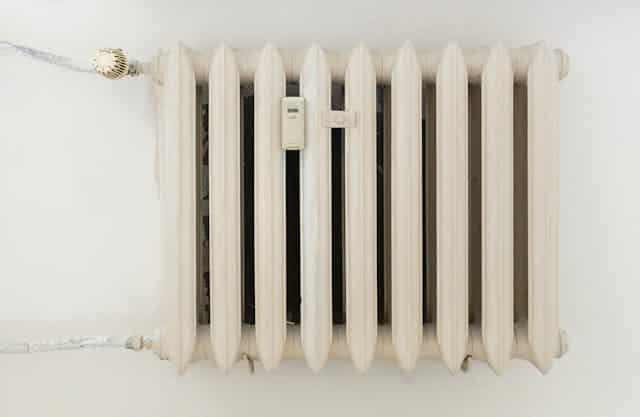
- Heating and Cooling: Providing sufficient heating in the winter and ensuring any provided cooling systems are operational. This should involve regularly servicing HVAC systems.
3. Addressing Health and Safety Concerns
Landlords must take proactive steps to address health and safety concerns within the rental property, such as:
- Smoke and Carbon Monoxide Detectors: Installing and maintaining smoke detectors and carbon monoxide detectors as required by law.
- Pest Control: Addressing any pest infestations promptly and taking preventative measures to keep pests at bay.
- Mold and Mildew: Addressing any mold or mildew issues by fixing leaks, improving ventilation, and cleaning affected areas.
4. Maintaining Common Areas
If the rental property includes common areas, landlords are responsible for their upkeep. This includes:
- Cleanliness and Safety: Ensuring common areas such as hallways, lobbies, stairwells, and laundry rooms are clean, well-lit, and free of hazards.
- Regular Maintenance: Conducting regular maintenance and repairs in common areas to keep them in good condition.
5. Responding Promptly to Repair Requests
Landlords must respond promptly to repair requests from tenants. Timely repairs help maintain the property’s condition and ensure tenant satisfaction. Important aspects include:
- Emergency Repairs: Addressing emergency repairs immediately, such as severe leaks, electrical issues, or heating failures.
- Routine Repairs: Handling routine repairs in a timely manner to prevent small issues from becoming major problems.
6. Compliance with Building Codes and Regulations
Landlords must ensure their properties comply with all applicable building codes and regulations. This includes:
- Building Codes: Keeping the property up to date with local building codes, which may cover structural requirements, electrical and plumbing systems, and other safety standards.
- Rental Regulations: Adhering to local rental regulations, including occupancy limits, zoning laws, and any specific landlord-tenant laws in the area.
7. Regular Property Inspections
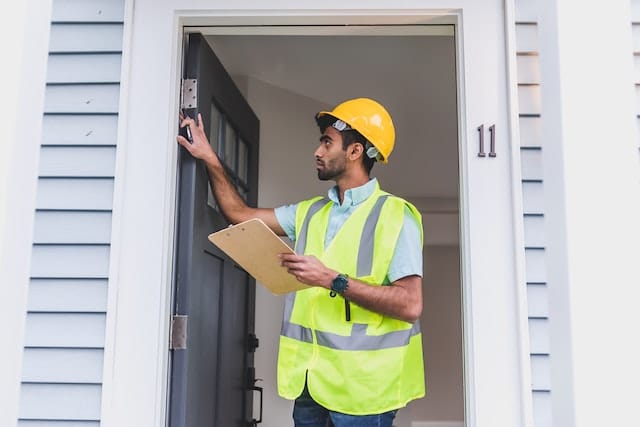
Conducting regular property inspections is vital for identifying maintenance issues before they become significant problems. Key points include:
- Scheduled Inspections: Conducting inspections at regular intervals, such as bi-annually, and during tenant move-in and move-out.
- Documentation: Keeping detailed records of inspections, noting any issues found and actions taken to address them.
8. Maintaining Exterior Areas
The exterior of the rental property also requires attention to ensure it is safe and appealing. Responsibilities include:
- Landscaping: Maintaining the lawn, trees, and shrubs. Keeping the yard tidy and free of debris.
- Snow and Ice Removal: Clearing snow and ice from walkways, driveways, and parking areas to ensure tenant safety.
Tenant’s Property Maintenance Responsibilities
Legal responsibilities for tenants are typically outlined in state and local landlord-tenant laws. These laws are designed to ensure that tenants contribute to the upkeep of the property and do not cause damage beyond normal wear and tear. Here are some of the key legal responsibilities for tenants:
1. General Cleanliness
Tenants are required to keep their rental units clean and free from hazardous conditions. This includes regular cleaning of the interiors, such as:
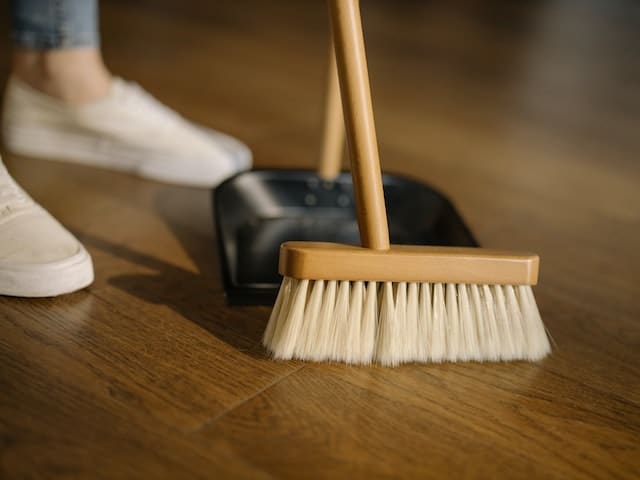
- Cleaning Floors and Surfaces: Regular sweeping, mopping, and dusting.
- Bathroom and Kitchen Hygiene: Keeping these areas clean to prevent mold and pest infestations.
- Waste Disposal: Properly disposing of garbage and recycling.
2. Proper Use of Fixtures and Appliances
Tenants must use fixtures and appliances as intended and take care to prevent unnecessary damage. This includes:
- Plumbing Fixtures: Using toilets, sinks, and showers properly to avoid clogs and water damage.
- Appliances: Operating kitchen and laundry appliances according to manufacturer instructions.
3. Preventing Mold and Pest Infestations
Tenants should take steps to prevent mold growth and pest infestations, such as:
- Ventilation: Using exhaust fans in bathrooms and kitchens to reduce moisture.
- Food Storage: Keeping food in sealed containers to avoid attracting pests.
- Prompt Reporting: Informing the landlord immediately if mold or pests are detected.
4. Proper Use of Heating and Cooling Systems
Tenants are responsible for using heating and cooling systems correctly to prevent damage and excessive utility costs. This includes:
- Temperature Settings: Not setting thermostats to extreme temperatures.
- Filter Replacement: Replacing HVAC filters if specified in the lease agreement.
5. Minor Repairs and Maintenance
While landlords are generally responsible for major repairs, tenants may be responsible for minor maintenance tasks, such as:
- Replacing Light Bulbs: Changing burnt-out bulbs.
- Battery Replacement: Replacing batteries in smoke detectors if required.
How to Communicate with Tenants About Maintenance
Effectively managing tenant maintenance responsibilities requires clear communication and proper documentation. Here are some tips for landlords:
1. Clear Lease Agreements
The lease agreement should clearly outline both legal and optional maintenance responsibilities. Specify what is expected of the tenant and what the landlord will handle. This helps prevent disputes and ensures that both parties are on the same page.

2. Move-In Inspections
Conduct a thorough move-in inspection with the tenant to document the condition of the property. This helps establish a baseline and can be used to identify any damage caused by the tenant when they move out.
3. Regular Communication
Maintain open lines of communication with your tenants. Encourage them to report maintenance issues promptly and provide them with a clear process for doing so. Regular check-ins can also help identify any problems early.
4. Provide Necessary Tools and Resources
If tenants are taking on optional maintenance tasks, provide them with the necessary tools and resources. For example, make sure that you provide them with proper garbage receptacles based on the number of occupants and how frequently garbage is collected.
5. Professional Help for Major Issues
While tenants can handle minor maintenance tasks, major repairs should always be handled by professionals. Ensure that you have a list of trusted contractors and service providers for issues beyond the tenant’s capability.
Conclusion
Understanding the legal and optional maintenance responsibilities of both landlords and tenants is essential to maintaining a well-kept property and fostering a positive landlord-tenant relationship.
By clearly defining these responsibilities in the lease agreement, conducting regular inspections, and maintaining open communication, landlords can ensure that their properties are well-maintained and their tenants are satisfied.
For questions or more information on our property management services, contact Specialized Property Management Oklahoma City today!