
Renting out your property is a significant decision, and one of the first choices you’ll face is whether to offer it furnished or unfurnished. Each option has distinct advantages and challenges, depending on your goals, tenant preferences, and property type.
Let’s explore what’s involved in renting a furnished property, its benefits and drawbacks, and how to make the best decision for your situation with Specialized Property Management Oklahoma City.
What Is Included in a Furnished Rental?
A furnished rental typically includes essential furniture and appliances that make a home ready for immediate occupancy. This might consist of:
- Living Room: Sofa, coffee table, chairs, and lighting.
- Bedroom: Bed, mattress, bedside tables, and storage units.
- Kitchen: Dining table, chairs, refrigerator, microwave, and basic cookware.
- Extras: Washing machine, dryer, and home décor such as curtains and rugs.
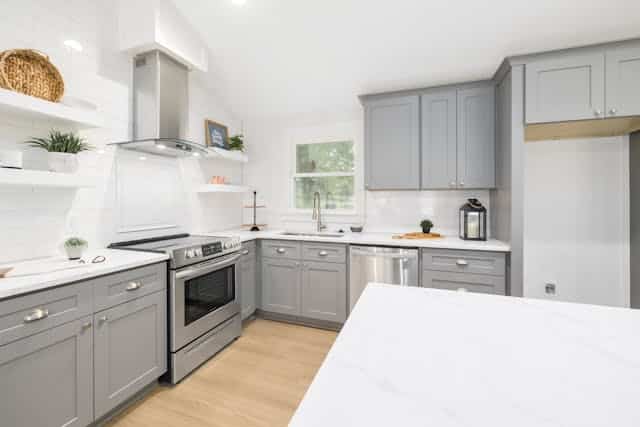
The level of furnishing can vary from basic essentials to fully equipped luxury setups. Determining what to include depends on your tenant profile and budget.
Benefits of Renting a Furnished Property
Furnished properties can be attractive to specific tenant groups. Here are some benefits:
1. Attracts Higher Rental Income
Furnished rentals typically command higher monthly rent compared to unfurnished ones. Tenants are willing to pay a premium for convenience and a ready-to-use home.
2. Appeals to Short-Term Renters
Short-term renters—such as business professionals, students, and individuals in transition—gravitate toward furnished homes, as they typically need temporary housing without the hassle of purchasing or moving furniture.
3. Provides Quick Turnaround for Occupancy
Furnished properties can be rented out faster since they appeal to tenants who need a home immediately and cannot afford to buy or transport furniture.
4. Simplifies Marketing
With furniture and décor in place, it’s easier to stage the property and market it online.

Furnished homes often look more inviting in listing photos compared to empty rooms.
Drawbacks of Renting a Furnished Property
While the benefits are notable, furnished rentals also come with potential downsides:
1. Increased Maintenance Costs
The added furniture and appliances increase maintenance responsibilities. Repairs, replacements, and cleaning can quickly add up, eating into your profits.
2. Greater Risk of Damage
With more items in the property, the chances of wear and tear or outright damage are higher. Managing and maintaining furniture and appliances requires careful tenant screening and clear lease agreements.
3. Limited Appeal for Long-Term Tenants
Not all tenants prefer furnished rentals. Families or long-term renters usually have their own furniture and may find furnished homes inconvenient.
4. Higher Initial Investment
Furnishing a property requires a significant upfront cost. From purchasing furniture to decorating the space, expenses can be substantial before you even begin earning rental income.
When Should You Rent Your House Furnished?
Here are some situations where renting a furnished property might make sense:
1. High Tenant Turnover Markets
In areas with transient populations, such as near corporate hubs, universities, or tourist destinations, a furnished rental is more likely to attract tenants. This is because renters in this area often seek short-term lease contracts, and they likely don’t want to invest in their furniture and appliances.
2. Luxury or High-End Rentals
If your property is in a high-end neighborhood, furnishing it with quality items can appeal to affluent tenants seeking convenience and style.
3. Short-Term Leases
If you’re planning to use the property yourself in the near future, renting it out furnished on short-term leases is a practical option.
4. First-Time Landlords
If you’re a new landlord testing the waters, a furnished rental might allow you to attract tenants faster while gauging market demand.
When Should You Rent Your House Unfurnished?
Unfurnished rentals are more suitable in the following scenarios:
1. Targeting Long-Term Renters
Families and individuals looking for long-term homes often prefer unfurnished properties to personalize the space with their belongings.
2. Lowering Maintenance Requirements
Without furniture and appliances to worry about, maintenance costs are lower, and the risk of tenant-caused damage is reduced.
3. Minimizing Upfront Costs
If you want to keep your initial investment low, renting unfurnished can save you the expense of buying furniture and décor.
4. Aligning with Market Norms
In some areas, the norm is to rent properties unfurnished. Understanding your local market can help you align with tenant expectations.
Legal and Insurance Considerations
Renting a furnished property comes with additional legal and insurance responsibilities. Be sure to:
- Update Your Lease Agreement: Clearly outline tenant responsibilities for maintaining the furniture and appliances, as well as the repercussions in case they fail to do so.
- Get Adequate Insurance: Protect your property and its contents with a comprehensive landlord insurance policy that covers furniture and appliances.
- Comply with Local Laws: Check local regulations regarding furnished rentals to ensure you’re meeting all legal requirements.
The Value of Professional Property Management
Navigating the furnished vs. unfurnished debate can be challenging. A professional property management company can be an invaluable partner in this decision-making process. Here’s how:
1. Understanding Market Trends
Property managers have in-depth knowledge of local rental markets and can advise you on tenant preferences to maximize your property’s appeal.

2. Screening Tenants
Thorough tenant screening helps protect your furnishings and ensures reliable rent payments.
3. Handling Maintenance
Property managers oversee regular maintenance and repairs, minimizing the hassle of managing a furnished property.
4. Marketing Your Rental
Professionals can stage your property and create compelling listings, boosting visibility and attracting quality tenants.
5. Ensuring Compliance
From updating lease agreements to staying informed about local regulations, property managers help you avoid potential pitfalls.
Bottom Line
Deciding whether to rent your house furnished depends on various factors, including your target tenant demographic, financial goals, and the local market. While furnished rentals can generate higher income and attract short-term renters, they also come with added responsibilities and costs.
On the other hand, unfurnished rentals may appeal to long-term tenants and require less maintenance.
To make the best decision for your property, carefully evaluate your goals, tenant preferences, and market conditions. Consider working with a professional property management company to maximize your rental’s potential, ensure a smooth process, and keep your investment profitable.